
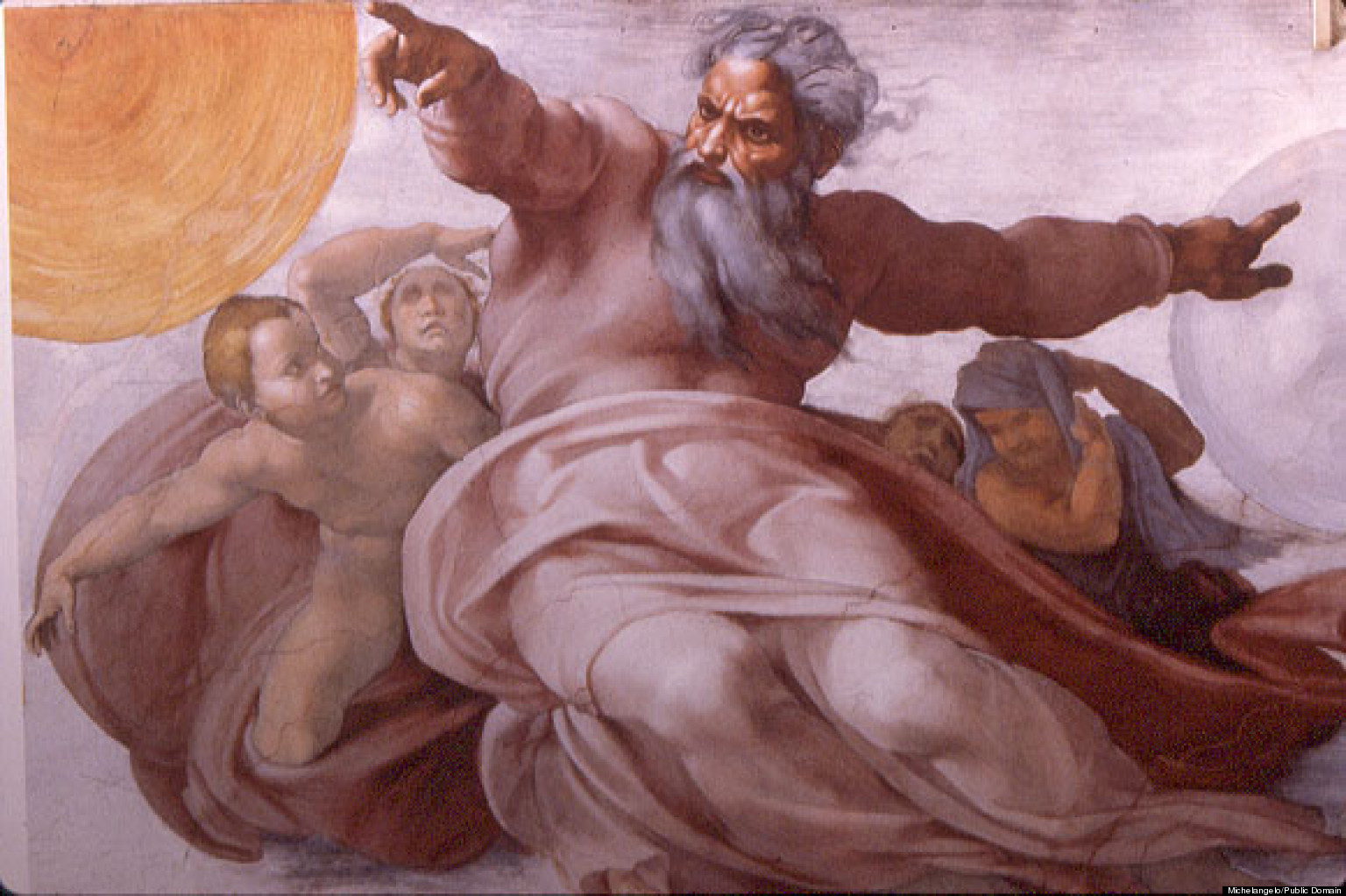
Thou, even thou, art to be feared: and who may stand in thy sight when once thou art angry? (Psalm 76:7)
When we think of God, we do not like to think of Him as angry; rather, we want to think of Him as loving, kind, merciful and patient. We want a “nice” God, not an angry one. But when we read the Old Testament Scriptures, we can come away with a very different perspective on God. Indeed, many atheists readily see this in the pages of the Bible, and are quick to point this out as they self-righteously boast that they could never believe in a God that acts so “irrationally” against people who do not wish to follow Him. They make a valid, albeit uniformed, point.
The English word “anger” appears 229 times in the Old Testament of the King James Bible compared to only five times in the New Testament. The Hebrew word most often translated as “anger” is ‘aph and it literally means “nose, nostril, or ire.” It describes an angry person who is breathing so heavily that his nostrils flare with rage. This Hebrew word appears 276 in the Old Testament, and with regard to God, it is translated as “anger” 198 times. Second to that is the Hebrew word chêmâh which means “heat, fury, passion or anger.” In relation to God, this word is used 94 times. Another frequently used Hebrew word is chârâh which means to “glow or grow warm, or to blaze up” with anger, zeal or jealousy. This word describes God’s anger 54 times. There are other Hebrew words that describe God’s anger as an outburst of passion, vexation, indignation, provocation or froth-at-the-mouth fury. This is certainly not the kind of God we like to think about.
Why is God so angry, and what is it that provokes Him to anger? We see the first occurrence of English word “anger” applied to God in Exodus 4 when God assigned Moses the task of bringing His “people the children of Israel out of Egypt” (Exodus 3:10). Moses gave God one excuse after another as to why he was not the right man for the job until “the anger of the LORD was kindled against Moses” (Exodus 4:14). So reluctance to do God’s will angers God. The next instance where the word “anger” is applied to God is found in Numbers 11, where the children of Israel complained: “And when the people complained, it displeased the LORD: and the LORD heard it; and his anger was kindled; and the fire of the LORD burnt among them, and consumed them that were in the uttermost parts of the camp” (Numbers 11:1). God, Who provides everything for us, meets all of our needs and protects us from danger, is angry when we complain about our circumstances rather than respond to Him with a heart of gratitude.
On another occasion, Balak, the Moabite king, went to the prophet Balaam requesting that he curse the children of Israel. Balaam understood that these people were under God’s protection and was at first unwilling to accept the task. Balak persisted offering Balaam anything he wanted to do the job. At this second request, Balaam responded against God’s will, “And God’s anger was kindled because he went” (Numbers 22:22). Deliberately going against God’s will angers God. Since God would not permit him to curse Israel, Balaam devised a plan that would cause God to curse His own people. “Balaam … taught Balac to cast a stumblingblock before the children of Israel, to eat things sacrificed unto idols, and to commit fornication” (Revelation 2:14). “And Israel abode in Shittim, and the people began to commit whoredom with the daughters of Moab. And they called the people unto the sacrifices of their gods: and the people did eat, and bowed down to their gods. And Israel joined himself unto Baalpeor: and the anger of the LORD was kindled against Israel And the LORD said unto Moses, Take all the heads of the people, and hang them up before the LORD against the sun, that the fierce anger of the LORD may be turned away from Israel.” (Numbers 25:1-4, emphasis added). This may sound extreme, but it shows how God feels about the practice of idolatry – allowing anything else to take the place of God (Exodus 20:3). Idolatry makes God angry.
Later, as the children of Israel were preparing to enter the Promised Land, the tribes of Ruben and Gad requested to stay on the east bank of the Jordan because of its good grazing lands (Numbers 32). Moses feared that the remaining ten tribes might become discouraged, if Ruben and Gad did not join in the fight. He reminded them of another time when the people were discouraged by a bad report by 10 of the 12 spies (Numbers 14), “And the LORD’S anger was kindled the same time” (Numbers 32:10). God was so angry at that time that He was ready to wipe out the whole nation and start over with Moses (Numbers 14:12). Lack of trust or faith in God makes Him angry. Indeed, “without faith it is impossible to please him” (Hebrews 11:6).
God demonstrates His anger in many ways throughout the Old Testament. The global flood of Noah’s day (Genesis 6-9) is an extreme example of God’s wrath poured out on billions of wicked, violent people who had total disregard for God. At the Tower of Babel (Genesis 11), God expressed His anger by confusing the languages of the people and scattering them throughout the world. Later, God evinced His anger on Sodom and Gomorrah for their sin of homosexuality, violence and all forms of wickedness (Genesis 19).
There are abundant examples of God displaying His anger throughout the Old Testament, but strangely enough, the New Testament mostly speaks of God’s “wrath” in terms of end times, otherwise known as “the day of wrath,” or with regard to an individual’s lost condition: “he that believeth not the Son shall not see life; but the wrath of God abideth on him” (John 3:36, emphasis added). “[T]he wrath of God is revealed from heaven against all ungodliness and unrighteousness of men, who hold the truth in unrighteousness” (Romans 1:18). Perhaps the reason for this is that God discharged the full measure of His anger and wrath on His Son, Jesus, at the cross. When Jesus cried out “τετελεσται” (it is finished!), God’s wrath was satisfied.
There is still the wrath to come, but from the cross to the present, God has withheld His anger for the coming judgment. It would behoove us, Christian and non-Christian alike, not to take this reprieve too lightly. God is love (1 John 4:8), but God is equally anger. Many Christians today reject the Old Testament teachings and want to hold only to what is taught in the New Testament. That is to reject a very fundamental truth: God is immutable, i.e., He does not change: “I am the LORD, I change not” (Malachi 3:6). James reminds us that all good things come “from the Father of lights, with whom is no variableness, neither shadow of turning” (James 1:17, emphasis added). So why should we think that God’s anger has ceased simply because we turned the page from Malachi 4:6 to Matthew 1:1? We need to revere God and hold Him in awe for Who He is. We should have a healthy “fear” of God and strive to please Him with the way we conduct our lives. “Sanctify yourselves therefore, and be ye holy: for I am the LORD your God” (Leviticus 20:7, emphasis added). “As obedient children, not fashioning yourselves according to the former lusts in your ignorance: But as he which hath called you is holy, so be ye holy in all manner of conversation [life conduct]; Because it is written, Be ye holy; for I am holy” (1 Peter 1:14-16, emphasis added). God still gets angry. Let us not make Him angry with us by living our lives in a manner that reflects poorly or negatively on Him.

 Ernie's Musings