
… that I may open my mouth boldly, to make known the mystery of the gospel, (Ephesians 6:19)
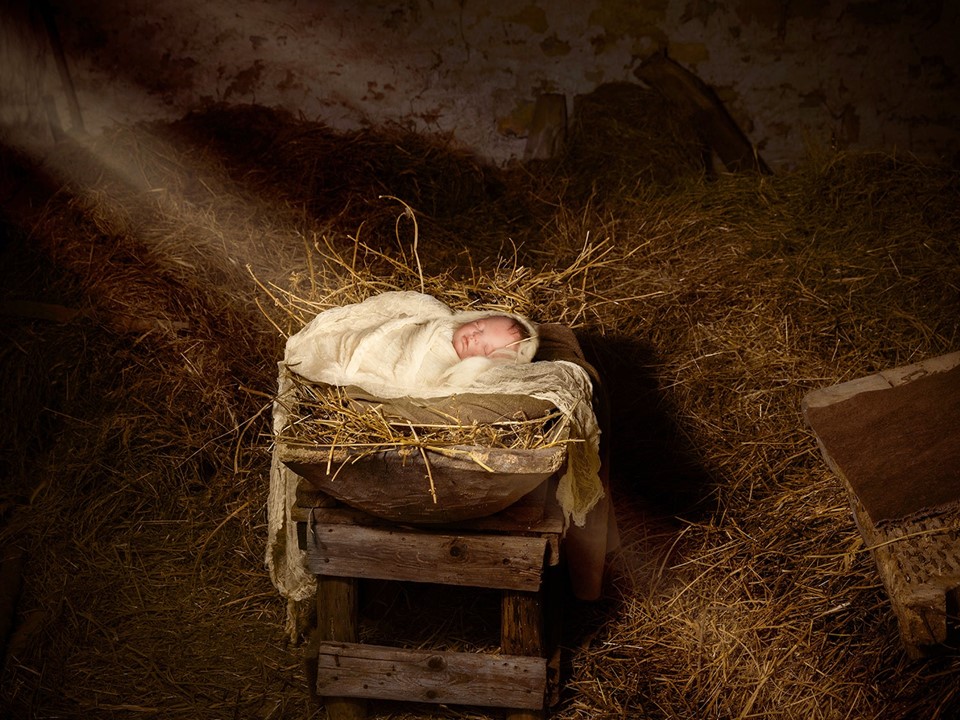
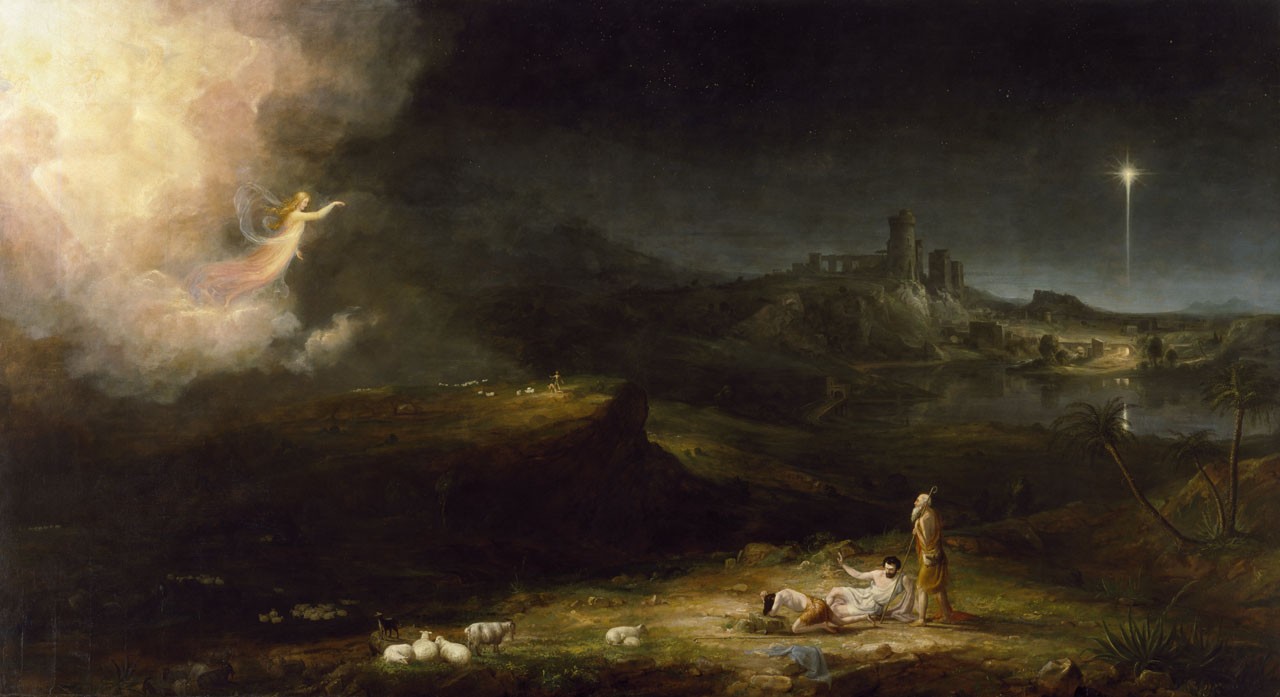
The Gospel is a mystery. The Gospel (Greek: euaggelion) means “good tidings” or “good news.” The angel brought the euaggelion to the shepherds who watched their flocks by night.[1] It was the euaggelion that the Savior was born in Bethlehem. But what did this euaggelion mean? When the angels departed, the shepherds hurried to Bethlehem to see the euaggelion for themselves. Once they had seen the baby, they spread the news to all who would hear. “And all they that heard it wondered at those things which were told them by the shepherds” (Luke 2:18, emphasis mine). It was a mystery!
At Christmastime, we sing the mournful carol, “Oh Come, Oh Come Emanuel.” The lyrics describe a deep yearning for the advent of Messiah. “Oh come, oh come Emanuel, and rescue captive Israel, that mourns in lonely exile here, until the Son of God appear.” However, Israel was not expecting the Son of God to appear. That was the mystery.
Indeed, the prophets foretold of the coming Messiah. When the magi later came searching for “he that is born King of the Jews,”[2] the religious leaders, who knew the Scriptures, directed them to Bethlehem. They quoted the Prophet Micah: “And thou Bethlehem, in the land of Juda, art not the least among the princes of Juda: for out of thee shall come a Governor, that shall rule my people Israel” (Matthew 2:6, emphasis mine). However, they omitted the last phrase of Micah’s prophecy: “whose goings forth have been from of old, from everlasting” (Micah 5:9). That last part was a mystery to them. How could an earthly ruler/king exist “from of old, from everlasting”? That would mean this king existed from eternity past. That could only mean this coming king would be God. To them, that was impossible. It was a mystery.
Four hundred years prior, the last prophet spoke of the coming Messiah. “And he shall sit as a refiner and purifier of silver: and he shall purify the sons of Levi, and purge them as gold and silver, that they may offer unto the LORD an offering in righteousness” (Malachi 3:3). This certainly speaks of authority, but the general tone of the prophecy expressed God’s displeasure with His people obscuring any hint of the Messiah’s divinity. After that, God stopped talking for four hundred years. A lot can be forgotten in four hundred years or blurred beyond recognition.
Previous prophets had spoken of a coming king who would sit on David’s throne. A favorite Christmas passage from Isaiah says, “For unto us a child is born, unto us a son is given: and the government shall be upon his shoulder: and his name shall be called Wonderful, Counsellor, The mighty God, The everlasting Father, The Prince of Peace. Of the increase of his government and peace there shall be no end, upon the throne of David, and upon his kingdom, to order it, and to establish it with judgment and with justice from henceforth even for ever. The zeal of the LORD of hosts will perform this” (Isaiah 9:6-7, emphasis mine). While Isaiah clearly stated that His name would be “The mighty God” and “The everlasting Father,” the promise of His reign on David’s throne overshadowed (in their minds) the fact of His divinity. Since the fifth century before Christ, Israel had been ruled by outside forces; first Babylon, then Persia, then Greece, and now the Romans. The Jews wanted a king to make them a superpower. God coming to reign on earth in human flesh was unthinkable. It was a mystery!
Other prophecies held an even more unimaginable mystery – Messiah would suffer and die. Psalm 22 describes His crucifixion when such execution methods did not exist. Isaiah 53 also details the suffering of Messiah. The prophet Daniel precisely foretold the number of years when Messiah would be “cut off.”[3] The Messiah that was to be king and rule the world would have to die. That makes no sense! It was a mystery!
Even today, the idea that the Almighty, Creator God took on human flesh, in a virgin’s womb, was born by natural means in the lowliest of estates, grew up among “his own, and his own received him not” (John 1:11). “He is despised and rejected of men; a man of sorrows, and acquainted with grief: and we hid as it were our faces from him; he was despised, and we esteemed him not” (Isaiah 53:3). He was nailed to a cross for our sins and rose on the third day so “that whosoever believeth in him should not perish, but have everlasting life” (John 3:16). “But as many as received him, to them gave he power to become the sons of God, even to them that believe on his name” (John 1:12). That is the mystery of the Gospel.
All religions of the world, including many so-called “Christian” religions, demand some kind of sacrifice from their adherents. The adherents of these false religions must do something to appease their gods in order to gain entry into eternal life. It is no wonder then that the idea that all one needs to do is believe in Jesus and trust in the sufficiency of His sacrifice for our sins. It’s too easy. It’s a mystery! Paul describes how Jesus left His first estate as God, and took on human flesh for the purpose of making Himself the perfect sacrifice for our sins.[4] Our God performed the work of salvation for us so that all we need to do is believe. “For by grace are ye saved through faith; and that not of yourselves: it is the gift of God: Not of works, lest any man should boast” (Ephesians 2:8-9, emphasis mine). It is a mystery! “But the natural man receiveth not the things of the Spirit of God: for they are foolishness unto him: neither can he know them, because they are spiritually discerned” (1 Corinthians 2:14). That is the mystery of the Gospel.
As we ponder the mystery of the Gospel, especially during this Christmas season, the thought of God coming to us in the form of a helpless baby should captivate us in awestruck wonder. How could such a thing be! The only thing that remains is praise and thanksgiving for the incalculable gift that He offers. “For God so loved the world, that he gave his only begotten Son, that whosoever believeth in him should not perish, but have everlasting life” (John 3:16).
Reader, if you have not accepted God’s free gift of salvation, there is nothing you have to do but believe. Please read my page on “Securing Eternal Life.”
 Ernie's Musings