Tag Archives: Sin

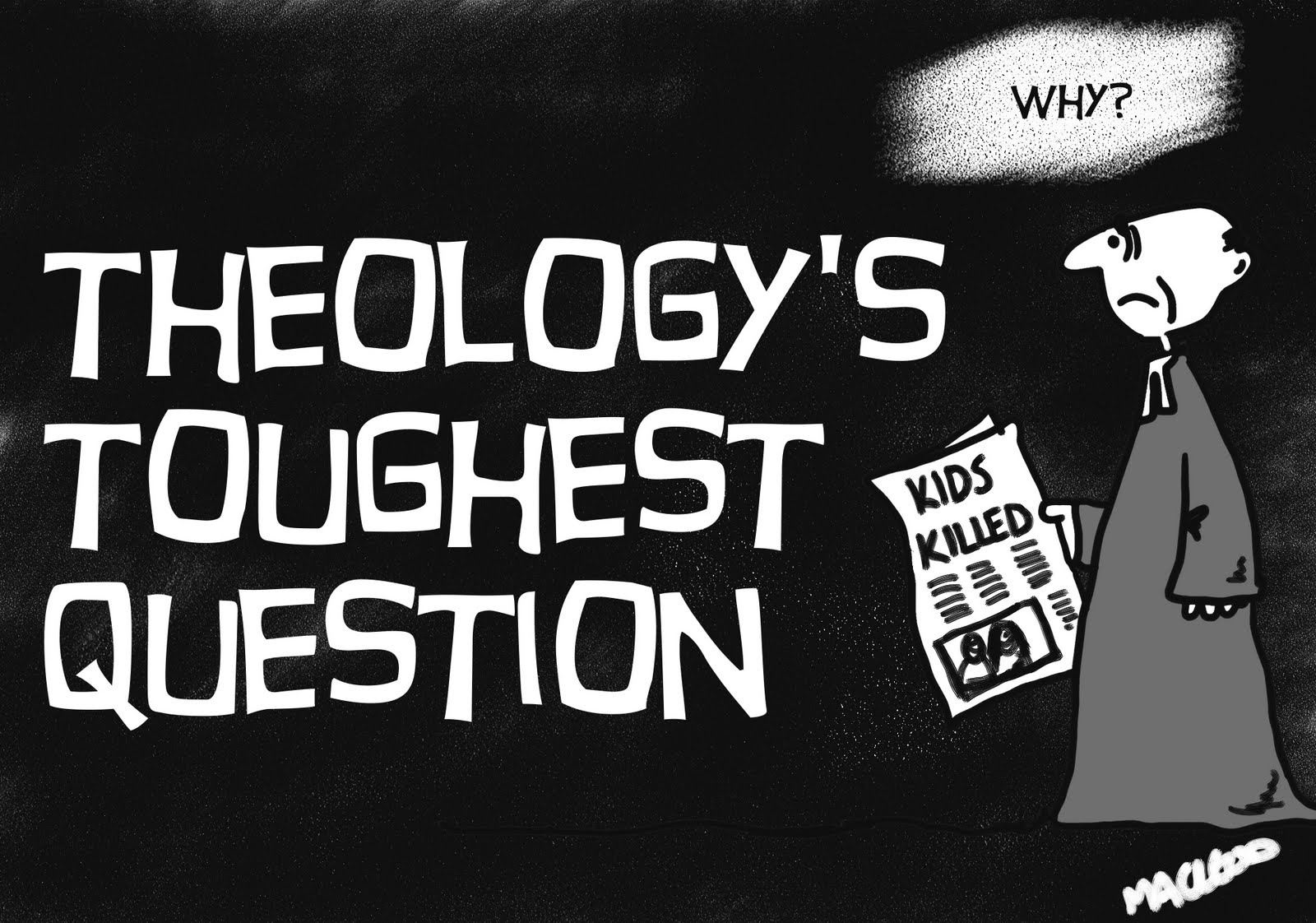
Did God Create Evil?

And, having made peace through the blood of his cross, by him to reconcile all things unto himself; by him, I say, whether they be things in earth, or things in heaven. (Colossians 1:20)

Question: Because the Lord is the Creator of all, He brought also evil in the universe. Did He do penance, when He died on the cross?

Answer: To accuse God of creating evil is a misunderstanding of God’s nature. The Bible says:

Let no man say when he is tempted, I am tempted of God: for God cannot be tempted with evil, neither tempteth he any man: But every man is tempted, when he is drawn away of his own lust, and enticed. (James 1:13-14, emphasis mine)

God did not create evil or sin, but in His wisdom “allowed” for it. Having created man in His own image (Genesis 1:26), He gave man the option to obey or disobey, to accept God or reject Him, to love Him or not to love Him. Without that option, we would be no more than androids that only function according to the programming of the designer. Without the option, it would be impossible for us to have a “personal” relationship with our Creator.

Therefore, it is not for His sin that Jesus died on the cross, but for ours. When you think about it, that is pretty incredible that God, should take upon Himself the penalty for our sin in order to restore the broken relationship between man and his Creator (Philippians 2:5-11) .

7 Comments

Filed under Apologetics, Atheism, Christianity, Creation, Evangelism, Gospel, Origins, Religion, Salvation, Theology

Cannot Sin

Romans 12_2

Whosoever is born of God doth not commit sin; for his seed remaineth in him: and he cannot sin, because he is born of God. (1 John 3:9)

This is one of the many paradoxes found in Scripture. How can a Christian not sin and yet sin? The Greek phase “does not commit sin” is in the present tense denoting continuous action or, in other words, a “habitual” practice of sin. The rest of the verse explains why the child of God cannot sin: “for [God’s] seed remaineth in him: and he cannot sin, because he is born of God.”

Paul tells us that true Christians, those who are “born again” are given a new nature: “Therefore if any man be in Christ, he is a new creature: old things are passed away; behold, all things are become new” (2 Corinthians 5:17). That means our old nature has been done away with: “I am crucified with Christ: nevertheless I live; yet not I, but Christ liveth in me: and the life which I now live in the flesh I live by the faith of the Son of God, who loved me, and gave himself for me” (Galatians 2:20). When we are truly “born again,” we are given a new nature so that we have the ability not to sin, but that ability comes from the indwelling power of the Holy Spirit (“Christ liveth in me”). We have the power not to sin, yet we keep our sinful flesh that retains that bent toward sin. Paul expresses his dilemma this way: “O wretched man that I am! who shall deliver me from the body of this death? I thank God through Jesus Christ our Lord. So then with the mind I myself serve the law of God; but with the flesh the law of sin” (Romans 7:24-25).

For the Christian, both natures exist within the individual. Someone who claims to be a Christian and continues in “habitual” sin without remorse has not truly been regenerated, i.e., born again. An authentic Christian instantly recognizes when he sins (because the Holy Spirit within him makes him aware) and immediately turns to God for forgiveness, and “If we confess our sins, he is faithful and just to forgive us our sins, and to cleanse us from all unrighteousness” (1 John 1:9).

3 Comments

Filed under Christianity, Evangelism, Gospel, Religion, Salvation, Theology

False Religion: Roman Catholicism

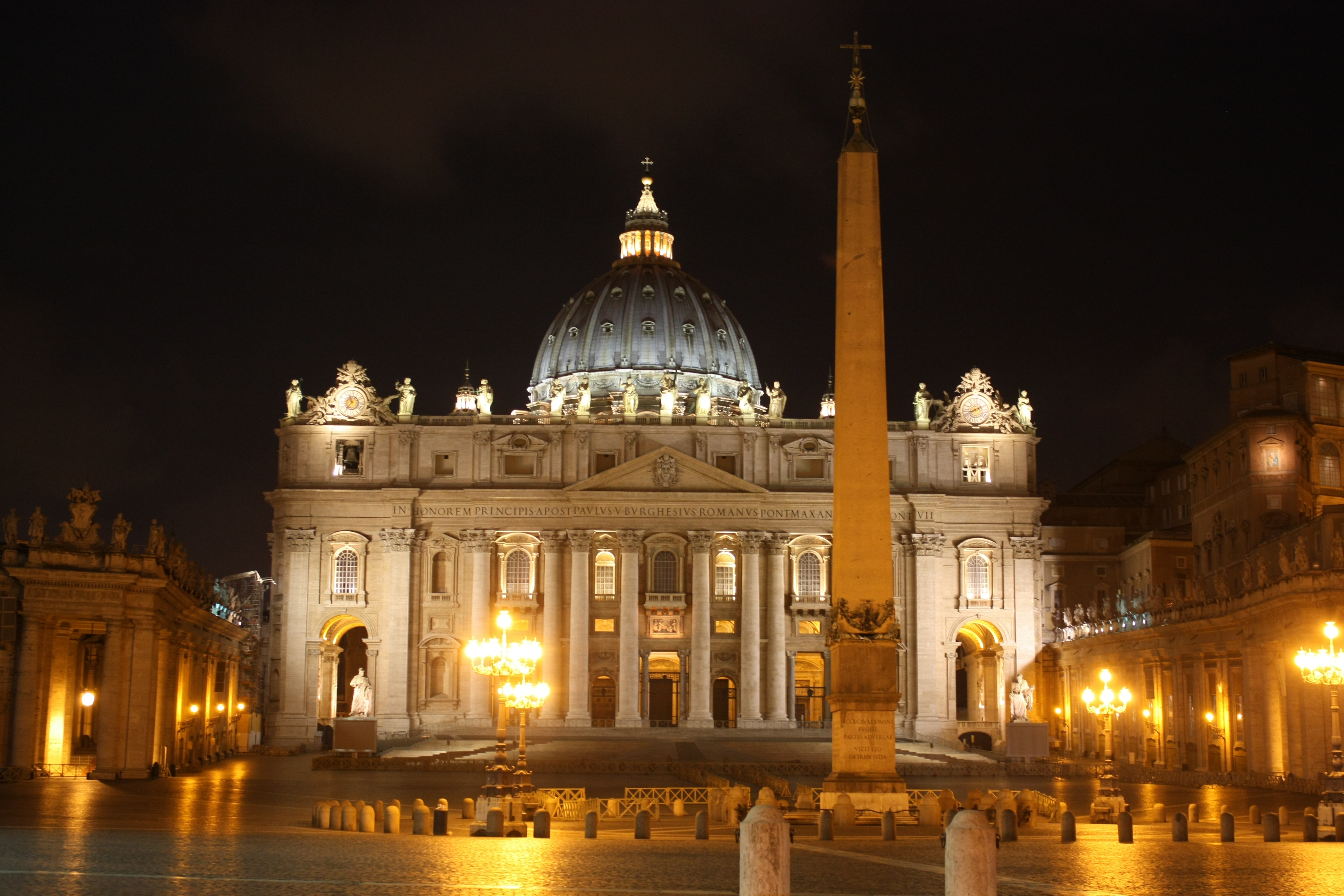
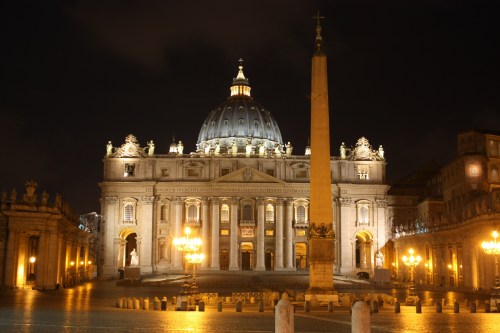
st-peters-basilica-night

So hast thou also them that hold the doctrine of the Nicolaitans, which thing I hate. (Revelation 2:15)

I took a brutal browbeating over my last article “False Religion: Protestantism” – not from unbelievers, but from Christian brothers and sisters. Granted, the title, on a cursory view, appears to be all-inclusive, but I wanted it to be provocative. The fact is that my focus was on “liberal” Protestantism and not Protestantism in general. But more than that, Jesus said, “And why beholdest thou the mote that is in thy brother’s eye, but considerest not the beam that is in thine own eye? Or how wilt thou say to thy brother, Let me pull out the mote out of thine eye; and, behold, a beam is in thine own eye? Thou hypocrite, first cast out the beam out of thine own eye; and then shalt thou see clearly to cast out the mote out of thy brother’s eye” (Matthew 7:3-5). How can we honestly critique or criticize what others believe without first taking a hard look at the beam that is in our own eye?

I believe I did that with my last post, so now let us examine the false religion of Roman Catholicism from an objective perspective. If the reader has been following my previous articles on false religions, the reader will recall I am evaluating false religions based on four characteristics: (1) the denial of the God of the Bible, (2) the denial or rejection of the deity of Christ, (3) the rejection of the Bible as the inerrant, infallible Word of God and (4) the teaching of salvation through the works or efforts of the individual believer.

Superficially, one might say that the Roman Catholic Church does not deny the God of the Bible or the deity of Christ. As I pointed out in my last post, “False Religion: Protestantism,” it is not necessarily what a religion professes to believe that matters, but rather what their practice demonstrates that is the true indicator of what they believe. So it is with the Roman Catholic Church; therefore, I need to begin with the last two characteristics to demonstrate that in practice, the Roman Catholic Church denies the God of the Bible and the deity of Christ.

The Roman Catholic Church (RCC) rejects the authority of the Bible as the inerrant and infallible Word of God. The RCC discourages parishioners from studying the Scripture for themselves claiming that it is too difficult for them to understand. Parishioners are taught that only a priest can give Scripture its proper interpretation, when in fact, priests are generally trained in church dogma only and not in the study of Scripture. The end result is that the RCC has an army of “blind leaders of the blind. And if the blind lead the blind, both shall fall into the ditch” (Matthew 15:14). The RCC teaches that Scripture along with tradition must be accepted and honored with equal reverence. In other words, the traditions of men are just as valid as God’s Word. In doing so, they supplant the authority of God with an authority of their own.[1] Up until the 16th century, the “Catholic” Bible contained only 66 books, but in the 16th century the Apocrypha was added to justify the doctrine of Purgatory.[2] In adding to Scripture, the RCC ignores God’s warnings against adding to or taking away from Scripture (Deuteronomy 4:2, Proverbs 30:6, Revelation 22:18).

Having stripped the Bible of its authority, the RCC has elevated the word of the Pope above the Word of God so that “by reason of his office as Vicar of Christ, [he] has full supreme and universal power over the whole church, a power he can exercise unhindered.”[3] As such, the RCC teaches a different gospel of salvation. Since the RCC has assumed supreme authority over Scripture, it now dictates the requirements for salvation. Salvation can only be found in the Catholic Church. The Catholic believer is obligated to comply with the requirements or “sacraments” of the Church. There are seven: (1)Baptism (typically as an infant), (2) Confirmation, (3) Eucharist, (4) Confession and Penance, (5) Holy Unction (anointing of the sick and last rites), (6) Holy Orders, and (7) Matrimony. In addition, the good Catholic must practice church membership, obey the commandments, and do good works. The good Catholic lives with the constant threat of failing at any point and dying in that condition, at which point the poor soul ends up in purgatory and special masses must be held (at a price to surviving family members, of course) until the full atonement is satisfied and the soul can enter into heaven. How many masses will be required is anybody’s guess. “The pope [sic] claims to have the power to transfer the merits of one sinner to another to reduce their punishment for sin.”[4] The Bible teaches that “For by grace are ye saved through faith; and that not of yourselves: it is the gift of God: Not of works, lest any man should boast” (Ephesians 2:8-9, emphasis mine). But the RCC says, “If anyone says the sinner is justified by faith alone, meaning that nothing else is required to cooperate in order to obtain the grace of justification, let him be anathema.”[5] Furthermore, the RCC “condemns with anathema those who say that indulgences are useless or that the Church does not have the power to grant them.”[6] “Rome also condemns anyone who believes they are assured of eternal life.”[7] The Bible says, “But though we, or an angel from heaven, preach any other gospel unto you than that which we have preached unto you, let him be accursed” (Galatians 1:8). That word “accursed” is the same Greek word, anathema that the RCC uses.
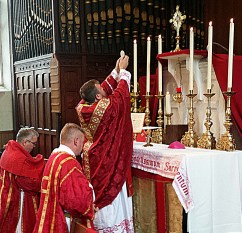
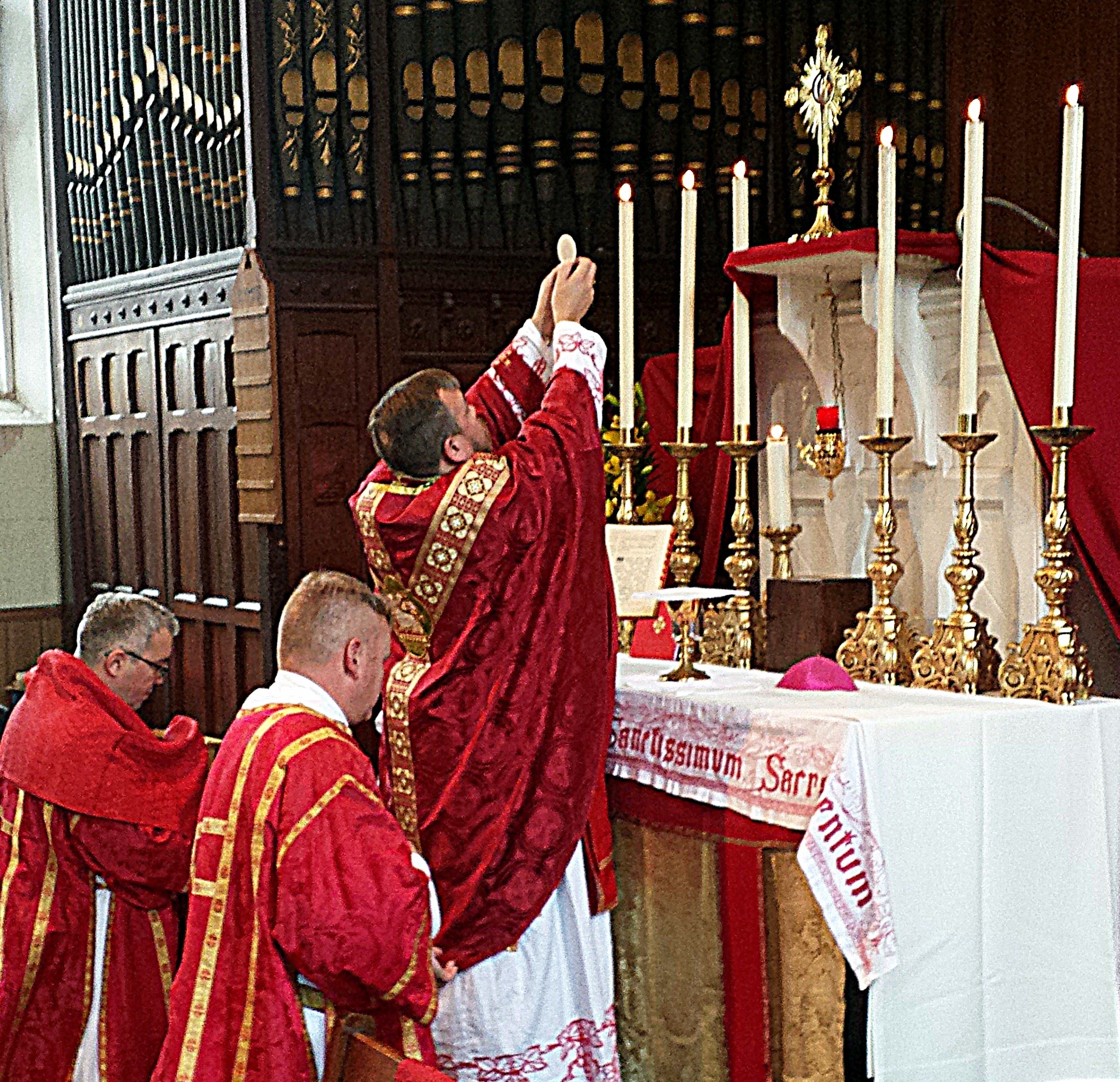
The Mass brings Christ down from heaven and sacrifices Him anew.

The Mass brings Christ down from heaven and sacrifices Him anew.

When the word of man is made superior to the Word of God, and the Gospel of Grace is replaced with the gospel of works, the RCC has effectively set itself in the place of God to decide what is right and what is wrong at the whim of a mere mortal man – the Pope. In effect, then, the RCC has denied the God of the Bible, and by their continuing practice of the mass (which brings Christ down from heaven and sacrifices Him anew), they have denied the deity of Christ “By the which will we are sanctified through the offering of the body of Jesus Christ once for all” (Hebrews 10:10, emphasis mine). By offering prayers to the saints and confessing sins to a priest, the RCC has replaced Christ as the sole mediator between God and man. “For there is one God, and one mediator between God and men, the man Christ Jesus” (1 Timothy 2:5). So, by the criteria I formerly laid out, Roman Catholicism is a false religion.
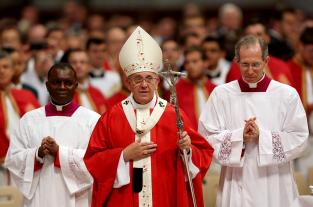
The highest ranking member is the Pope who sets himself up in the position of Christ and rules the people by fiat.

The highest ranking member is the Pope who sets himself up in the position of Christ and rules the people by fiat.

One final indictment that may not exactly fit the four characteristics of a false religion is the charge leveled by Jesus Himself in our beginning verse: “So hast thou also them that hold the doctrine of the Nicolaitans, which thing I hate” (Revelation 2:15). The word “Nicolaitans” is a transliteration of the Greek compound word Nikolaitēs. The first part comes from the Greek word nikaō meaning to subdue or to conquer, overcome, prevail, get the victory over. The second part comes from the Greek word laos from which we get our word “laity” meaning people. So, the Nicolaitans are those who subdue, overcome or conquer the people, and in this case, Jesus was referring to His Church. This is exactly what the RCC has done. They have set up a hierarchal system where the highest ranking member is the Pope who sets himself up in the position of Christ and rules the people by fiat. Such rule goes against Scripture and defies Christ, Who emphatically states that it is a thing He hates. That is a strong indictment from the One Whom the Pope claims to represent.

Is it possible for a Catholic to be saved? Yes, of course it is. Salvation, according to the Bible, is an individual matter that has nothing to do with religion, as I have stated in previous articles. My question is, why would someone who is saved by grace (Ephesians 2:8-9) want to continue in bondage to the Church of Rome? Instead, the Word of God urges, “Come out of her, my people, that ye be not partakers of her sins, and that ye receive not of her plagues” (Revelation 18:4).

Notes:


[1] Mike Gendron, “Roman Catholicism-Apostolic or Apostate?” http://www.worldviewweekend.com/news/article/roman-catholicism-apostolic-or-apostate/, accessed September 12, 2014.

[2] Ibid.

[3] The New Catholic Catechism of the Catholic Church, paragraph 882.

[4] Mike Gendron, “Roman Catholicism-Apostolic or Apostate?”

[5] Ibid.

[6] Ibid.

[7] Ibid.

1 Comment

Filed under Apologetics, Christianity, Gospel, Religion, Salvation, Theology

True Religion

Pure religion and undefiled before God and the Father is this, To visit the fatherless and widows in their affliction, and to keep himself unspotted from the world. (James 1:27)

Not long ago, a couple of Mormon missionaries knocked on my door and attempted to engage me in conversation. Now, I understand that these kinds of conversations seldom lead anywhere, but I am not one to turn away such opportunities, so I engage. On this particular occasion, these “elders” (I think it’s cute these young men, no more than 18 or 19, call themselves “Elder” so-and-so), brought up the question of “Why are there so many religions?” By that, of course, they meant “Christian” religions. They pointed out that Jesus wanted all His followers to be united (John 17:11, 21-23) as one. I agreed and jokingly said, “I think all Christians should be Baptist!” They were not sure how to respond to that. They naturally wanted to make a case for the LDS church. Had I been serious in my quip, I would have been just as guilty as they in giving allegiance to a “brand” rather than to the “person” of Jesus Christ.

All world religions, including all Christian “denominations” are man-made and therefore subject to the fallacies of men, granted some more than others. So what is true religion? According to Dictionary.com, “religion” is:

  1. a set of beliefs concerning the cause, nature, and purpose of the universe, especially when considered as the creation of a superhuman agency or agencies, usually involving devotional and ritual observances, and often containing a moral code governing the conduct of human affairs.
  2. a specific fundamental set of beliefs and practices generally agreed upon by a number of persons or sects
  3. the body of persons adhering to a particular set of beliefs and practices
  4. the life or state of a monk, nun, etc.
  5. the practice of religious beliefs; ritual observance of faith
  6. something one believes in and follows devotedly; a point or matter of ethics or conscience (emphasis mine)

Notice the emphasis on “practice,” “conduct,” “adherence,” and “ritual observance.” All religions designed by man employ some kind of merit system to gain eternal rewards for the adherents, but none offer any security for the same. Instead the adherent gets “Do your best and perhaps your good will outweigh the bad.” Frankly, I would find little comfort in that.

Jesus does not offer religion; He offers a personal relationship with the Creator. In our beginning verse above, James seems to confirm the usual pattern for man-made religion – care for the widows and orphans and keep yourself unspotted from the world. In other words, do all of the right kind of stuff, and you will have “pure religion.” One must understand that James was speaking to Christians. His instruction was not for the purpose leading one to heaven, but rather to demonstrate the life conduct of a person that is heaven bound. The fact that one is “born again” should result in altered behavior that demonstrates a changed life. This change in life should not be rote ritualism as suggested in the dictionary definition above, but rather, because of a new nature (Galatians 2:20), such behavior should “come natural” for the genuine believer. It should not be a forced act.

Another characteristic of man-made religion is that the adherent constantly strives – works – to gain the favor of his god. (I plan to show specifics of how this is done in future posts.) True religion understands that God, the transcendent Creator, is infinitely offended by sin – man’s rebellion against God. True religion understands that man is incapable through his own efforts of being reconciled to God. True religion understands that only God can bridge the divide that separates God from man. To do so, God became man (Philippians 2:5-11), and did what man could not – pay restitution for the offense. Herein lies the difference between man-made religion and true religion. In man-made religion, man does all the work and gains nothing in return; in true religion, God does all of the redemptive work, and “as many as received him, to them gave he power to become the sons of God, even to them that believe on his name” (John 1:12).

The old saying that “You can lead a horse to water, but you can’t make him drink” applies here. God has done all of the work of redemption, and He freely offers reconciliation to everyone who will receive it; but it must be received, and He will not force it on anyone. The choice is yours.

Comments Off on True Religion

Filed under Apologetics, Christianity, Gospel, Heaven, Religion, Salvation, Theology

Don’t Pray For This People!

Therefore pray not thou for this people, neither lift up cry nor prayer for them, neither make intercession to me: for I will not hear thee. (Jeremiah 7:16)

The 238th anniversary of the birth of our nation quickly approaches, and I find my enthusiasm waning as the day draws near. Actually, it has been waning for quite some time now. Please do not misunderstand. I am about as patriotic as the next fellow, perhaps even more than most. Since the Obama Administration ascended to power, I have watched in amazement as the foundations of our nation crumble before our eyes and the Constitution systematically gets dismantled. Obama is not totally to blame. The foundations have been cracking for a long time now – removal of God’s Word and prayer from public schools, the wholesale ejection of God from the public square, the establishment of the Welfare State, the legalization of infanticide (abortion on demand legitimized by the pseudonym of Planned Parenthood and Pro-Choice), the dissolution of the traditional nuclear family (husband, wife, offspring), and the acceptance of homosexual unions as equal to heterosexual marriages. But the downward pull of the vortex has increased with the rise of the current administration.

I find little for which to celebrate. Some would be quick to remind me that we are to pray “For kings, and for all that are in authority; that we may lead a quiet and peaceable life in all godliness and honesty” (1 Timothy 2:2). That is true, and I believe we should, but even God has a limit as indicated by our starting verse. At that time, the people of Judah had fallen into idolatry. Whatever worship they did offer to God was substandard and merely rote ritualism. God was sick of it, and He told Jeremiah, “pray not thou for this people, neither lift up cry nor prayer for them, neither make intercession to me: for I will not hear thee” (Jeremiah 7:16). There comes a time when a people, as a nation, has so hardened their hearts against God that He will not even entertain an intercessory prayer for them. In fact to do so is to pray against God’s will. I think we have reached that point.

How can I be so sure about that? Romans 1:18-32 describes the downward spiral:

  1. They hold God’s truth in unrighteousness (v. 18)
  2. They reject the “clearly seen” natural revelation of God (vv. 19-20)
  3. They knew God but did not glorify Him as God (v. 21)
  4. Consequently their heart is darkened (v. 21)
  5. They profess themselves to be wise and become fools (v. 22, Psalm 14:1)
  6. They create gods of their own imagination (v. 23)
  7. God gives them over to physical perversions (v. 24)
  8. They turn God’s truth into a lie (v.25)
  9. They value the creation more than the Creator (v. 25)
  10. Consequently, God gives them over to sexual perversions – women with women and men with men (v. 26-27)
  11. As an additional consequence, God gives them over to “reprobate mind,” i.e. a mind that cannot think rationally (v. 28)
  12. They decline into a long list of increasing perversions (vv. 29-31)
  13. Finally they take joy in their perversion and encourage others accept their ways (v. 32)

Is that not the state of our nation? Think about our President praising a professional basketball player for “coming out” and expressing his homosexuality. Think about how he has stifled DOMA (the Defense of Marriage Act) and has removed all restrictions from homosexuals serving in the military. Think about the culture of lies he has engendered in his administration: the IRS scandal, the VA scandal, the Benghazi scandal, Fast and Furious, and on and on. Then we have the mainstream media that offers its support with silence and the entertainment industry that sings his praises as though there is something praiseworthy.

This Sunday morning, Todd Starnes, author of God Less America, spoke at our church. He points out many of the same things I have listed here, but he is far more optimistic than I. I do not believe there is any turning back for this nation. Someone will remind me that God said, “If my people, which are called by my name, shall humble themselves, and pray, and seek my face, and turn from their wicked ways; then will I hear from heaven, and will forgive their sin, and will heal their land” (2 Chronicles 7:14). Allow me to point out that the oft quoted verse is taken out of context. It is specific to the Jewish Temple, Jerusalem, and Israel, and it does not have a general application for the Church. The Church is NOT Israel even though some who preach “replacement theology” insist that it is. Let me also point out that God’s people, the Church, possess a heavenly citizenship, not an earthly one (Philippians 3:20 NASB). Our concern should not be for an earthly nation, but for a heavenly one. More often we are exhorted to be law-abiding citizens except for where a human law violates the Law of God (Acts 5:29). There is only one exhortation for us to pray for our leaders (cited above). Beyond that, may God’s “will be done in earth as it is in heaven” (Matthew 6:10). Our nation has been judged. Should we pray for its healing against God’s will? Although it grieves me to say it, I think not.

What then are we to do? We should remain true to the faith. We must be bold in our witness. And we should never put more faith in our government than we do in God. Our citizenship, our loyalty, and our devotion must be to Christ above all else. Jesus Christ is Lord and our King!

For what it’s worth, Happy Independence Day!

2 Comments

Filed under Apologetics, Christianity, Current Events, End Times, Holidays, Politics, Prayer, Religion, Theology